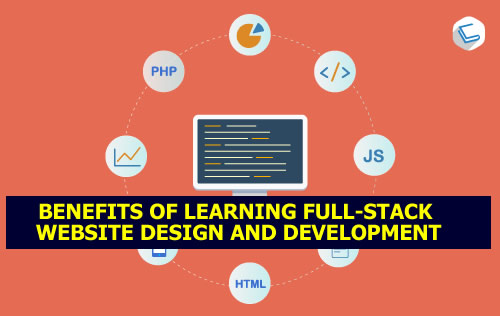
Yes, you can learn web design without any prior experience. You do not need to be a computer expert or have a university degree before getting started. With access to a computer, a willingness to learn and consistent practice, you can gradually develop the skills required to create functional and professional websites.
For beginners in Nigeria asking, “Can I Learn Web Design Without Any Prior Experience?”, the answer is yes. The best approach is to start with the fundamentals and gradually build your skills through practice and real projects.
What Do I Need to Start Learning Web Design?
You do not need previous web design experience to begin. Having basic computer skills, such as browsing the internet, using software and managing files, can be helpful, but you can also improve these skills while learning web design.
Most beginners start by learning:
- HTML: Provides the basic structure of a webpage.
- CSS: Controls the styling, layout and visual appearance of a website.
- JavaScript: Adds interactivity and functionality to webpages.
- Responsive design: Ensures websites display properly on phones, tablets and computers.
- Website development tools: Platforms such as WordPress can make website creation easier, while coding skills provide greater flexibility and control.
As you progress, you can practise by building simple projects such as a personal profile page, business landing page or portfolio website.
How Long Does It Take to Learn Web Design?
A beginner can learn the foundations of web design within 1–3 months, while developing practical frontend skills may take around 3–6 months of consistent practice.
Your learning speed will depend on your study schedule, the complexity of the skills you want to acquire and how regularly you practise.
Rather than rushing through lessons, focus on understanding each concept and applying what you learn by building real websites.
Can I Learn Web Design Without a Degree?
Yes. A university degree is not a requirement for everyone who wants to become a web designer. Many people develop web design skills through practical training, online courses, self-study and personal projects.
Employers and clients often want to see evidence of what you can create, which makes a strong portfolio an important part of starting a web design career.
However, completing a web design course does not automatically guarantee employment or income. You need to practise regularly, improve your problem-solving abilities and learn how to create websites that meet real user and business needs.
Why Choose Bizmarrow Technologies for Web Design Training?
If you are searching for practical web design training in Abuja, Bizmarrow Technologies offers structured training in frontend and full-stack development.
The training focuses on hands-on learning, project-based practice and trainer guidance, helping beginners progress from basic concepts to building real websites. This can be particularly useful for learners who want practical experience rather than theory alone.
Discover more at Bizmarrow Technologies.
Frequently Asked Questions (FAQ)
Can I learn web design with no experience?
Yes. You can start from the fundamentals and gradually develop the skills required to create websites through structured learning and regular practice.
Do I need to know coding before learning web design?
No. You can start as a complete beginner. Beginner-friendly training can introduce you to HTML, CSS, JavaScript and other coding concepts step by step.
Can I learn web design without a university degree?
Yes. Practical skills, a strong portfolio and consistent practice can help you pursue opportunities in web design without necessarily having a university degree.
How long does it take to learn web design from scratch?
You can learn the basics within 1–3 months, while becoming comfortable with practical frontend development may take 3–6 months of consistent practice.
Where can I learn web design in Abuja?
You can explore Bizmarrow Technologies for practical web design and development training in Abuja, with training designed to help beginners develop useful skills through hands-on learning and real projects.